
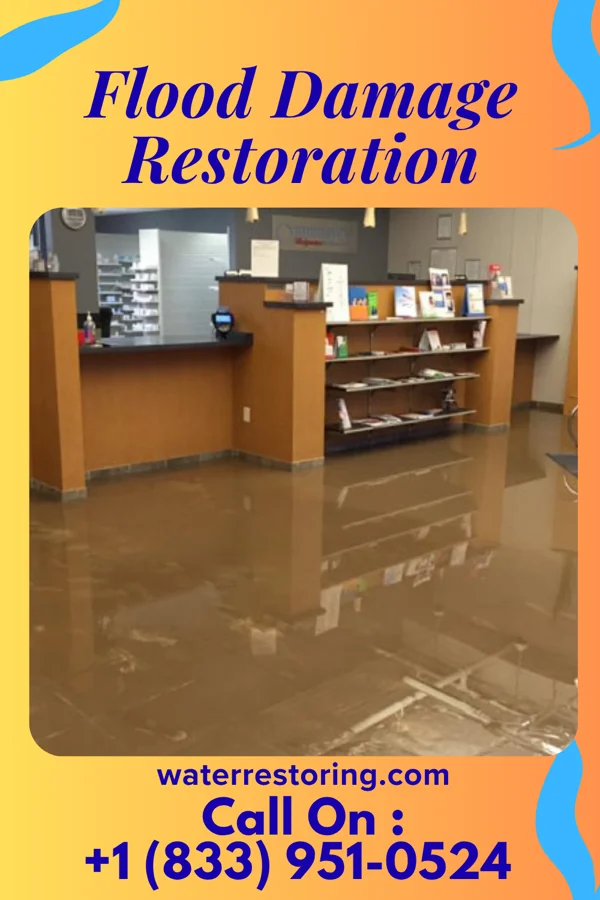
When Cantril Properties Need Flood Recovery
Water damage in Cantril usually starts with Cantril, Iowa, is particularly vulnerable to flooding due to its location in a rural area with low-lying terrain and proximity to the Cedar River. Heavy rainfall events and snowmelt from nearby hills can quickly overwhelm local drainage systems, leading to significant water accumulation in residential and agricultural areas. The community's reliance on natural waterways for irrigation and farming also increases flood risk during extreme weather.. Professional restoration follows the IICRC protocol on every job. Assess. Extract. Dry. Sanitize. Document.
Cantril experiences a humid continental climate, with heavy spring and summer rains contributing to seasonal flooding. The region is also prone to flash floods, especially during the late spring and early summer months. These conditions make it critical for residents to be prepared for sudden water intrusion and rapid damage.
Water damage in Cantril follows a few local patterns. Cantril, Iowa, is particularly vulnerable to flooding due to its location in a rural area with low-lying terrain and proximity to the Cedar River. Heavy rainfall events and snowmelt from nearby hills can quickly overwhelm local drainage systems, leading to significant water accumulation in residential and agricultural areas. The community's reliance on natural waterways for irrigation and farming also increases flood risk during extreme weather. accounts for the bulk of our calls. Cantril experiences a humid continental climate, with heavy spring and summer rains contributing to seasonal flooding. The region is also prone to flash floods, especially during the late spring and early summer months. These conditions make it critical for residents to be prepared for sudden water intrusion and rapid damage. In Cantril, mold risk can develop within 48 hours of water exposure, making rapid response critical. Our team is trained to act quickly to prevent mold growth and minimize long-term damage to your property.